
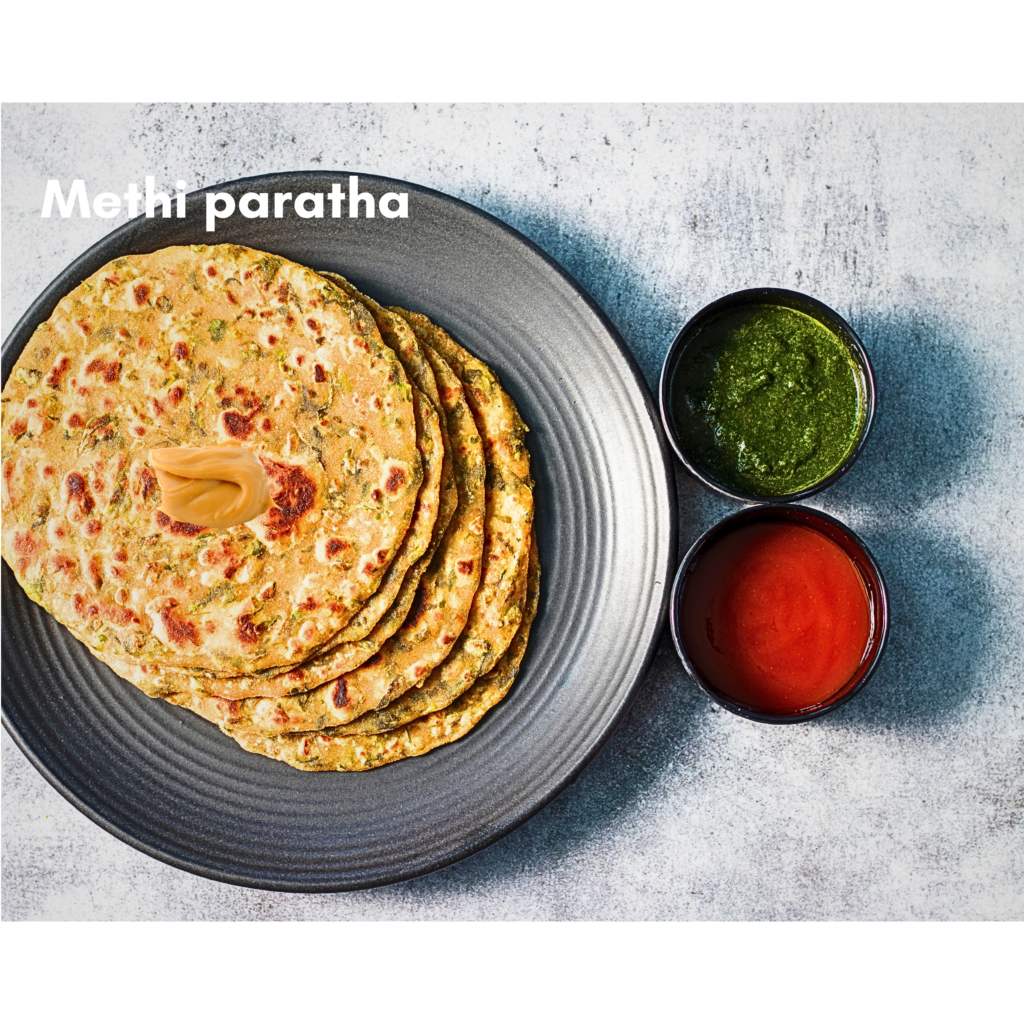
Methi paratha is a classic Indian flatbread known for its rich flavor, soft texture, and impressive nutritional benefits. Made with fresh fenugreek leaves (methi), whole wheat flour, and a blend of aromatic spices, this wholesome dish is a staple in many Indian households. Whether served for breakfast, lunch, or dinner, methi paratha offers a perfect balance of taste and health, making it a popular choice for people of all ages.
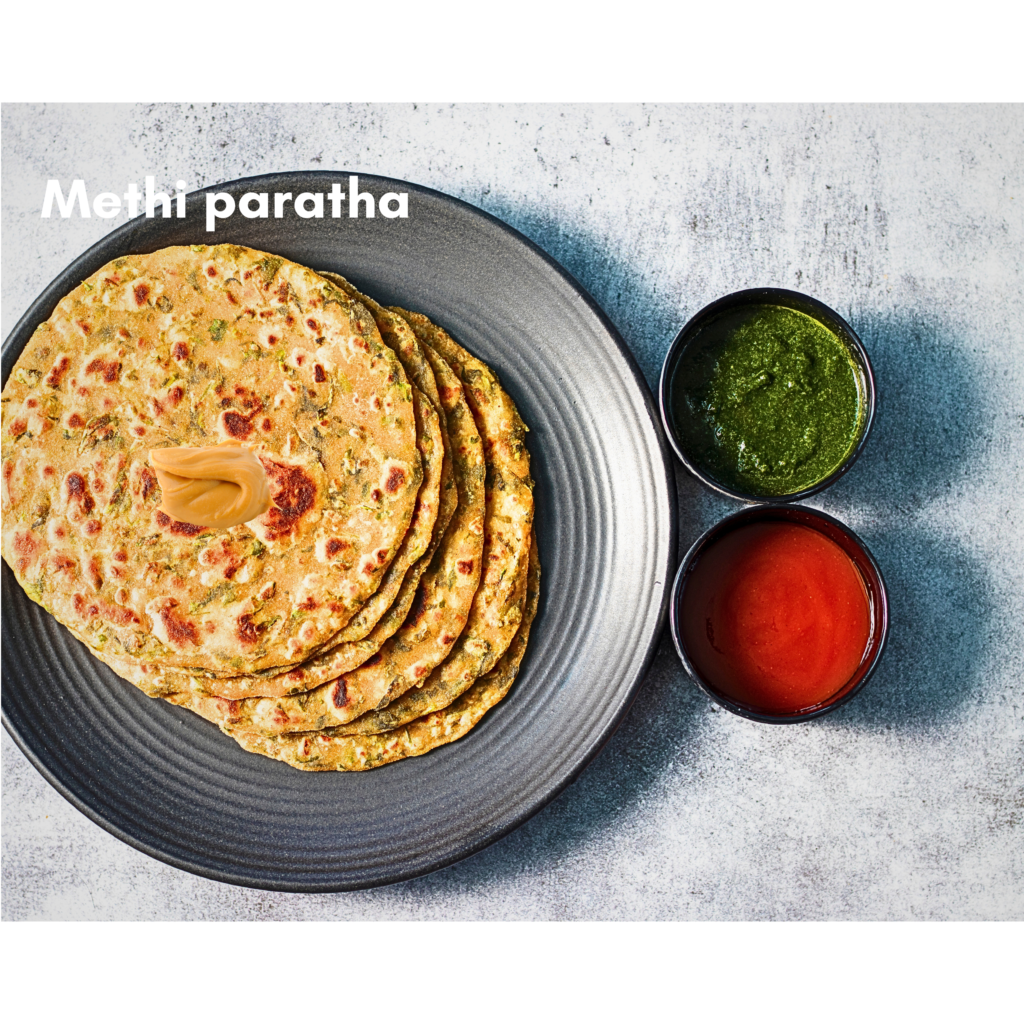
Methi paratha is incredibly versatile and easy to prepare. It can be made soft or crispy depending on personal preference and pairs perfectly with curd, pickle, or butter. Its convenience makes it a go-to meal for busy mornings or quick dinners.
Methi paratha is not just a delicious dish but also a healthy and practical addition to everyday meals. Its rich flavor, simple preparation, and numerous health benefits make it a favorite across generations. Whether you are new to Indian cuisine or a seasoned cook, methi paratha is a must-try recipe that perfectly blends taste and nutrition.
Why Methi Paratha is a Perfect Breakfast Option
paratha stands out as a breakfast option is its high nutritional value. Fenugreek leaves are rich in iron, fiber, and essential vitamins, which help boost metabolism, improve digestion, and keep you full for longer hours. This makes methi paratha an excellent choice for those who want a balanced and satisfying morning meal.
Methi paratha is also quick and easy to prepare, making it ideal for hectic mornings. With minimal ingredients and simple cooking steps, it can be made fresh in a short time. Additionally, the dough can be prepared in advance, saving even more time during busy weekdays.
Tips to Make Soft and Fluffy Methi Paratha
The key to soft methi paratha starts with fresh ingredients. Always use fresh and tender methi (fenugreek) leaves, as older leaves can make the paratha tough and slightly bitter. Finely chop the leaves so they blend well into the dough, ensuring even softness in every bite.
The consistency of the dough plays a crucial role. Avoid making a stiff dough, as it leads to hard parathas. Instead, knead a soft and pliable dough using lukewarm water.
Resting the dough for at least 15–20 minutes is a crucial step. It allows the gluten to relax, making the dough easier to roll and resulting in softer parathas. Skipping this step often leads to dense and chewy flatbreads.
Adding a small amount of oil while kneading helps in achieving a smoother texture. Additionally, applying oil or ghee while cooking the paratha keeps it soft and enhances flavor.Rolling the paratha evenly ensures uniform cooking. Avoid making it too thin, as this can cause dryness.
Cooking temperature plays a vital role. Always cook methi paratha on medium heat. High heat can burn the outer layer while leaving the inside undercooked, resulting in a tough texture. Flip the paratha at the right time and press gently for even cooking.
Making soft methi paratha is easy when you follow the right techniques, from selecting fresh ingredients to proper kneading and cooking methods. By applying these tips, you can enjoy delicious, soft paratha every time.
This homemade paratha is quick to prepare and requires simple pantry ingredients, making it an ideal choice for busy mornings or healthy meal planning. Whether you’re looking for a traditional Indian breakfast recipe or a nutritious flatbread option, methi paratha is a must-try.
Mix a small amount of oil or ghee into the dough while kneading. This enhances softness and adds a rich flavor to the methi paratha.Too many methi leaves can release excess moisture and make the dough sticky or dense. Maintain a balanced ratio of flour to methi.Keep cooked parathas in a casserole or wrap them in a clean cloth to retain moisture and softness for longer.


