

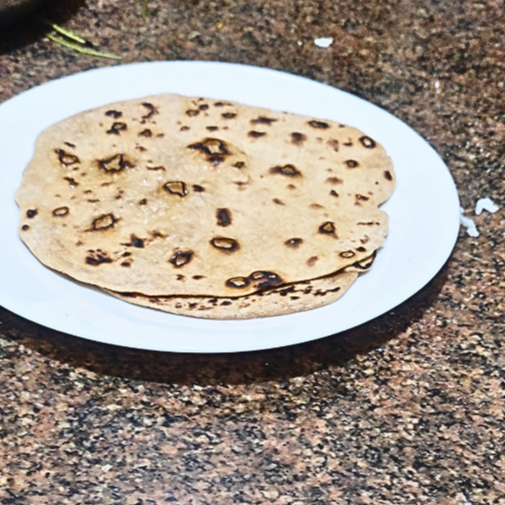


Paratha is one of the most loved and versatile flatbreads in Indian cuisine. Crispy on the outside and soft on the inside, this traditional Indian paratha recipe is a staple in many households and is enjoyed for breakfast, lunch, or dinner. Made with simple ingredients like whole wheat flour, water, and a touch of oil or ghee, parathas are easy to prepare and incredibly satisfying if you are looking for an easy homemade.
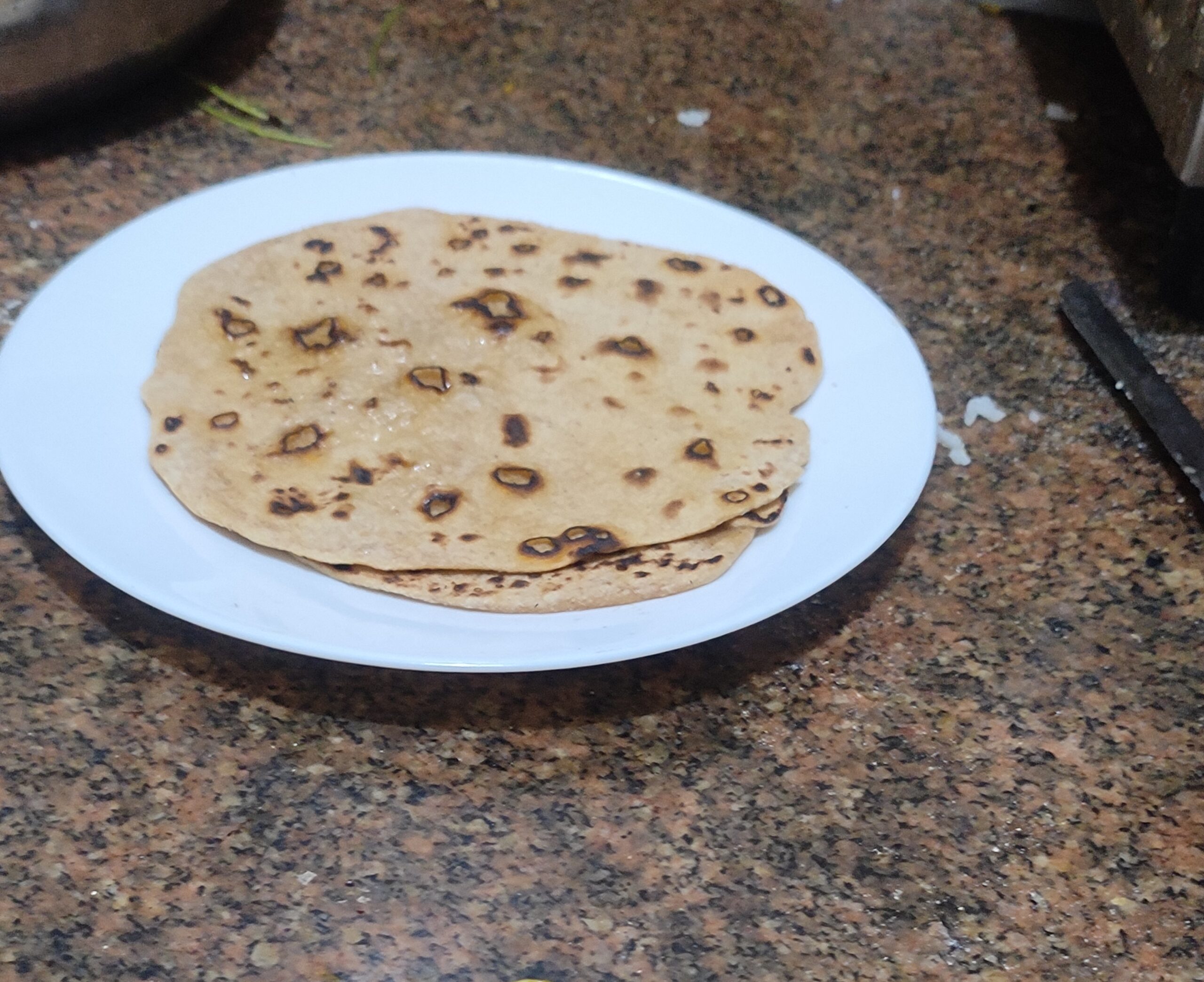
Paratha recipe that turns out soft, flaky, and delicious every time, you are in the right place. In this step-by-step guide, you will learn how to make paratha from scratch using simple techniques that even beginners can master. Whether you enjoy plain paratha, stuffed paratha, or layered paratha, this recipe will help you achieve authentic restaurant-style results at home.
Parathas pair perfectly with yogurt, pickle, butter, or a variety of curries, making them a versatile addition to any meal. Once you learn the basics of making Indian paratha, you can experiment with different fillings such as potato, paneer, or vegetables to create delicious variations your family will love.
What is paratha?
Paratha is a traditional Indian flatbread that is widely enjoyed across South Asia and loved for its crispy texture and rich flavor. Made primarily from whole wheat flour, water, and a small amount of oil or ghee, paratha is known for its flaky layers and golden-brown surface. This popular Indian bread is usually cooked on a hot griddle and can be served plain or stuffed with a variety of fillings.
In Indian cuisine, paratha is a staple food that is commonly eaten for breakfast, lunch, or dinner. It is especially popular in North India, where it is often paired with yogurt, butter, pickle, or flavorful curries. Because of its versatility, paratha can be prepared in many variations such as plain paratha, stuffed paratha, layered paratha, and vegetable paratha.
How to Make Paratha Dough at home?
Paratha is one of the most loved Indian flatbreads, known for its soft texture and delicious taste. Learning how to make paratha dough at home is simple and requires only a few basic ingredients. Proper dough preparation is the key to making soft, flaky parathas that cook perfectly on a pan. This guide explains the ingredients, steps, and tips to prepare perfect paratha dough.
To prepare paratha dough at home, you only need a few common kitchen ingredients
Wheat flour,salt to taste,oil or ghee,water as needed.These ingredients help create a soft and elastic dough suitable for making parathas.
freshness and better control over ingredients. Homemade dough is healthier because it contains no preservatives. It also allows you to adjust salt, oil, and texture according to your preference .Understanding how to make paratha dough is essential for preparing soft and delicious parathas at home. With simple ingredients and proper kneading techniques, anyone can prepare perfect dough in just a few minutes. By following these easy steps and tips, you can enjoy fresh, homemade parathas that are tasty, soft, and healthy for the whole family.
Start by placing two cups of whole wheat flour in a large mixing bowl. Add salt if desired and mix it well with the flour. Add one tablespoon of oil or ghee to the flour mixture. This helps make the dough soft and improves the texture of the parathas.
Slowly pour water into the flour little by little while mixing with your fingers. Continue mixing until the flour begins to form a doughKnead the dough for about 5–7 minutes until it becomes smooth and soft. Proper kneading helps develop gluten, which gives parathas their soft and elastic texture.
Cover the dough with a cloth or lid and allow it to rest for 15–20 minutes. Resting the dough helps improve its flexibility and makes rolling easier.
Ingredients Required to Make Home Made Paratha
To make a soft, flaky, and delicious homemade paratha, choosing the right ingredients is essential. This easy paratha recipe uses simple pantry staples that are commonly found In every kitchen, yet they come together to create a flavorful and satisfying Indian flat bread.
The primary Ingredient for making paratha is whole wheat flour (atta), which gives the bread its authentic texture and nutritional value. Whole wheat flour is rich in fiber and helps create soft parathas when kneaded properly. To prepare the dough, you will also need water, which binds the flour and helps achieve a smooth and pliable consistency. It is important to add water gradually to avoid making the dough too sticky or too dry.
Another key ingredient is salt, which enhances the overall taste of the paratha. Though used in small quantities, it plays a crucial role in balancing flavors. For added softness and richness, many people include a small amount of oil or ghee while kneading the dough. This step helps in making the parathas softer and easier to roll.
When it comes to making delicious parathas, one common question arises: should you use oil or ghee? Both are widely used in Indian cooking and play a crucial role in enhancing the texture, flavor, and overall quality of parathas. Understanding the difference between oil and ghee can help you choose the best option based on your taste preferences and health goals.
Both oil and ghee are excellent choices for making parathas, each offering unique advantages. While ghee delivers unmatched flavor and texture, oil provides a lighter and healthier alternative for everyday meals. By understanding their differences, you can choose the right ingredient to suit your cooking style and dietary needs.
Water is one of the most essential yet often overlooked ingredients in making soft and delicious parathas. While flour forms the base, It is water that brings the dough together and determines the final texture, softness, and elasticity of the paratha. Understanding how to use water correctly can make a significant difference in your cooking results.Different parathas you can try
Different Parathas you can Try
Aloo paratha is one of the most popular types of paratha in India. It is stuffed with a spiced mashed potato filling and cooked with butter or ghee. This paratha is typically served with curd, pickle, or butter, making it a comforting and satisfying meal.
Paneer paratha is a protein-rich option filled with crumbled paneer mixed with spices. It is soft on the inside and crispy on the outside, often enjoyed with mint chutney or yogurt.
This paratha is stuffed with grated cauliflower and spices. It has a slightly crunchy texture and a unique flavor, making it a favorite winter dish in many Indian households.
Lachha paratha is known for its flaky, multi-layered texture. Unlike stuffed parathas, it is made by folding the dough into layers, giving it a crispy and buttery finish
A modern twist on traditional parathas, cheese paratha is stuffed with melted cheese, making it especially popular among children and fusion food lovers.
Methi paratha is made using fresh fenugreek leaves mixed into the dough. It has a slightly bitter yet aromatic taste and is considered a healthy option due to its nutritional benefits.
Parathas come in a wide range of varieties, each offering a unique taste and texture. From classic aloo paratha to innovative cheese paratha, there is something for everyone to enjoy. Exploring different types of paratha not only enhances your culinary experience but also gives you a deeper appreciation for Indian cuisine.
If you are a food enthusiast, trying these different paratha varieties is a must. They are easy to prepare, delicious, and perfect for any time of the day.
How to roll Paratha for Best Texture
Paratha is a staple in Indian cuisine, loved for its crispy layers and soft interior. While ingredients and cooking methods are important, the way you roll a paratha plays a crucial role in achieving the perfect texture. In this guide, we will explore how to roll paratha properly to ensure it turns out flaky, soft, and delicious every time.
Start With Right Dough
The foundation of a good paratha begins with well-prepared dough. Use whole wheat flour, add a pinch of salt, and knead it with water until it becomes soft and pliable. Let the dough rest for at least 15–20 minutes. Resting allows gluten to relax, making the dough easier to roll and resulting in softer parathas.
Dividend and Shape Even portion
Divide the dough into equal-sized balls. Roll each ball smoothly between your palms to remove cracks. Even portions ensure uniform cooking and consistent texture.
Proper Dusting Technique
Lightly dust each dough ball with dry flour before rolling. Avoid using too much flour, as excess flour can make the paratha dry and hard instead of soft and flaky.
Roll Evenly and Gently
Place the dough ball on a flat surface and roll it gently using a rolling pin. Apply even pressure and rotate the dough frequently to maintain a circular shape. Uneven rolling can lead to inconsistent thickness, causing some parts to remain undercooked while others become too crispy.
Create layers of Flakiness
To achieve a flaky texture, apply a thin layer of oil or ghee on the rolled dough, then fold it (into a triangle, square, or spiral). Roll it again gently. This layering technique is key to creating the signature crispy and soft combination in parathas.
Don’t Roll Too Thin or Too Thick
Finding the right thickness is essential. If the paratha is too thin, it will become crispy like a papad; if too thick, it may remain doughy inside. Aim for a medium thickness that allows proper cooking and layering.
For stuffed parathas, seal the filling properly and roll gently to avoid breaking. Use light pressure and roll from the center outward to distribute the filling evenly.
Keep the Edges Even
Ensure the edges are not thicker than the center. Thick edges may remain uncooked, affecting the overall texture of the paratha.
Practise Different Rolling Style-
Different styles such as round, triangular, or square parathas affect texture and layering. Experimenting with shapes can help you find the perfect balance of crispiness and softness.
Rolling paratha is an art that requires practice and attention to detail. From preparing soft dough to applying even pressure and creating layers, each step contributes to the final texture. By following these techniques, you can make parathas that are perfectly flaky on the outside and soft on the inside.
Mastering the rolling technique will elevate your cooking and help you enjoy restaurant-quality parathas at home.

Quick and Easy Paratha Recipe/Best Indian lunch Recipe
Description
Paratha is one of the most popular and versatile flatbreads in Indian cuisine. Known for its crispy layers and rich flavor, it can be enjoyed for breakfast, lunch, or dinner. Whether plain or stuffed, preparing a perfect paratha starts with selecting the right ingredients. This guide will walk you through the essential ingredients required for a paratha recipe while helping you understand their role in achieving the perfect texture and taste.
Ingredients
Instructions
-
Start by mixing whole wheat flour and salt in a bowl. Gradually add water and knead into a soft, smooth dough. Add a little oil or ghee to enhance softness. Knead for 8–10 minutes until the dough becomes elastic. Cover and let it rest for at least 20–30 minutes. Resting is essential for soft parathas.
-
After resting, divide the dough into equal-sized balls. Roll each portion between your palms to make smooth balls without cracks. This helps in even rolling and cooking.
-
-
Dust a dough ball lightly with flour and roll it into a small circle. Apply a thin layer of ghee or oil, then fold it into a triangle or spiral (lachha style). Roll it again gently into a medium-thick circle. This layering step is the secret to flaky paratha texture.
-
Heat the Tawa Properly
-
Place a flat pan (tawa) on medium-high heat. Make sure it is hot before placing the paratha. A properly heated tawa ensures even cooking and prevents the paratha from becoming hard.
-
Place the rolled paratha on the hot tawa. When bubbles appear, flip it. Apply ghee or oil on both sides and cook until golden brown spots appear. Press gently with a spatula to help it cook evenly and develop layers.
-
Once cooked, remove the paratha and keep it in a covered container or wrap it in a clean cloth. This traps steam and keeps the paratha soft for longer.
-
Making soft and flaky parathas at home is easy when you follow the right techniques. From kneading the perfect dough to mastering the layering process, every step contributes to achieving the ideal texture. With practice, you can enjoy restaurant-style parathas that are crispy on the outside and soft inside. Making soft and flaky parathas at home is easy when you follow the right techniques. From kneading the perfect dough to mastering the layering process, every step contributes to achieving the ideal texture. With practice, you can enjoy restaurant-style parathas that are crispy on the outside and soft inside.
-
This simple paratha recipe is perfect for beginners and food lovers who want to master traditional Indian cooking. Try it today and elevate your homemade meals with delicious, flaky parathas!
Nutrition Facts
Servings 1
- Amount Per Serving
- Calories 386kcal
- % Daily Value *
- Total Fat 16.7g26%
- Saturated Fat 2.4g12%
- Total Carbohydrate 56.5g19%
- Sugars 7.5g
- Protein 18.2g37%
- Vitamin A 302 IU
- Vitamin C 12 mg
- Calcium 135 mg
- Iron 7 mg
* Percent Daily Values are based on a 2,000 calorie diet. Your daily value may be higher or lower depending on your calorie needs.
Note
Always use good-quality whole wheat flour for making parathas. Fresh flour improves texture and helps create soft and pliable dough.Resting the dough for at least 20–30 minutes is essential. It allows the gluten to relax, making the dough easier to roll and resulting in softer parathas.While rolling, use minimal dry flour. Excess flour can make the paratha dry and reduce its softness.Applying a thin layer of ghee or oil and folding the dough before rolling helps create soft, flaky layers. This technique improves both texture and taste.Cook parathas on medium to medium-high heat. Too much heat can burn them quickly, while low heat can make them hard and chewyMaking soft parathas is all about mastering a few simple techniques. From kneading soft dough to cooking at the right temperature, each step plays an important role. By following these tips, you can easily prepare soft, delicious parathas at home.
